

Charting a ‘roadmap’ for co-built industrial parks through glocalisation
News originally published by
Xi'an Jiaotong-Liverpool UniversityThe Urban and Environmental Studies Research Centre (UES) and International Business School Suzhou (IBSS) at Xi’an Jiaotong-Liverpool University (XJTLU) recently hosted a launch event for a new book on the development of co-built industrial parks in China and overseas. The event brought together experts and academics from XJTLU, UN-Habitat, Shanghai’s Tongji University, industry associations, and consultancy firms.
Under the theme “Joint Development of Industrial Parks and Co-creation of Industrial Value Ecosystems”, discussions focused on industrial resilience, regional cooperation, and city-industry integration, and explored how such parks can evolve from industrial spaces into strategic hubs that connect global resources with local development.
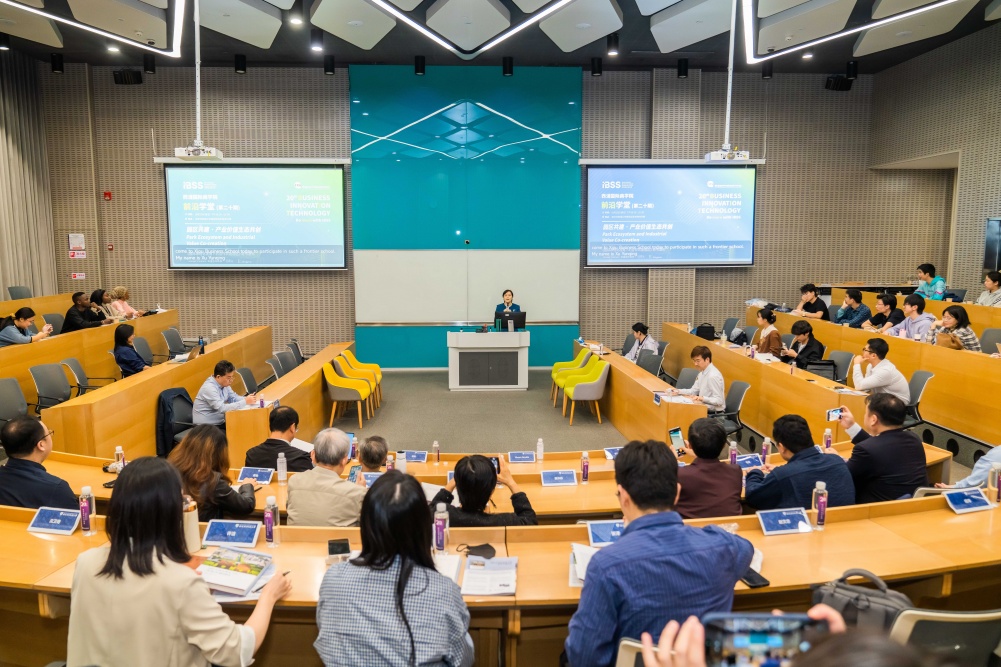
Launch event for “Co-built Industrial Park from the Glocal Perspective”
The event marked the launch of “Co-built Industrial Park from the Glocal Perspective”, co-edited by Dr Yunqing Xu, Director of UES and Senior Associate Professor in the Department of Urban Planning and Design, and Dr Qiantao Zhang, Associate Professor in the same department.
Published by China Architecture & Building Press, the book brings together research by international organisations, research institutes, universities, and industry practitioners. Its 11 chapters draw on contributions from nearly 30 authors and expert advisers, including 55 cases in China and abroad.
Responding to transformation
In recorded speeches, Professor Marc Aurel Schnabel, former Dean of XJTLU’s Design School, emphasised that industrial park research should consider urban design, liveability, and sustainable development, while Dr Remy Sietchiping, Deputy Director of the UN-Habitat New York Liaison Office, noted that participation in global value chains should create local jobs, develop skills, and strengthen innovation capacity, building more resilient industrial and community ecosystems.
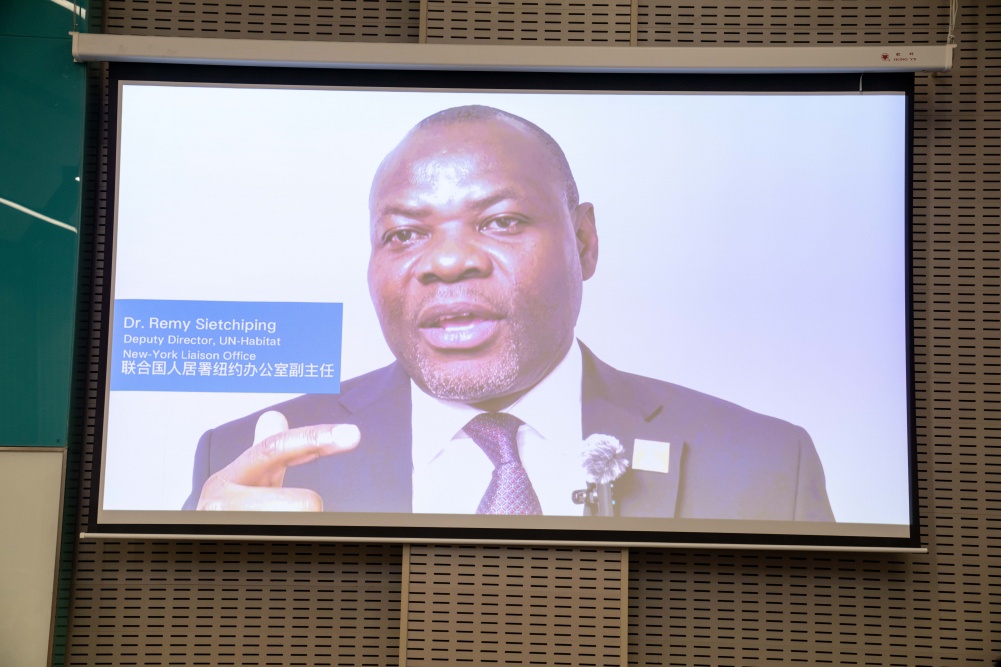
Dr Remy Sietchiping, Deputy Director of the UN-Habitat New York Liaison Office
Xinwen Gao, President of the Suzhou Association of Industrial Park, observed that industrial parks are shifting focus from expansion in scale to improving capabilities, and speculated that artificial intelligence could further transform investment attraction, enterprise services, and operational management.
Keynote speaker Professor Hao Ren, Dean of Tongji University Development Research Institute, argued that industrial demand and spatial planning must move from “separation” towards “coordination”. He stressed the importance of establishing clear planning sequences and incorporating joint planning, negotiated responsibilities, and benefit-sharing mechanisms into institutional design to solve the disconnect between spatial development and industrial needs.
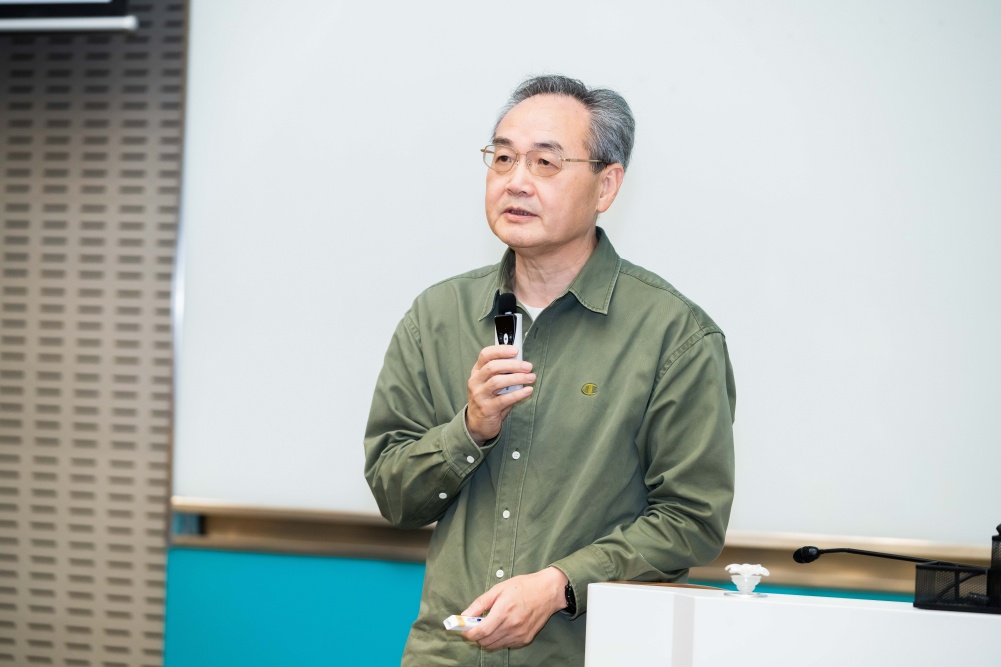
Professor Hao Ren, Dean of Tongji University Development Research Institute
Shaun Brodie, Head of Research Content for Greater China at Cushman & Wakefield, a commercial real estate services firm, said industrial property is entering a new cycle in which success depends increasingly on operational excellence, ecosystem development, and the circulation of capital. Low-carbon development, regional resource sharing, and professional services will be key to helping businesses reduce costs, improve efficiency, and attract talent, he added.
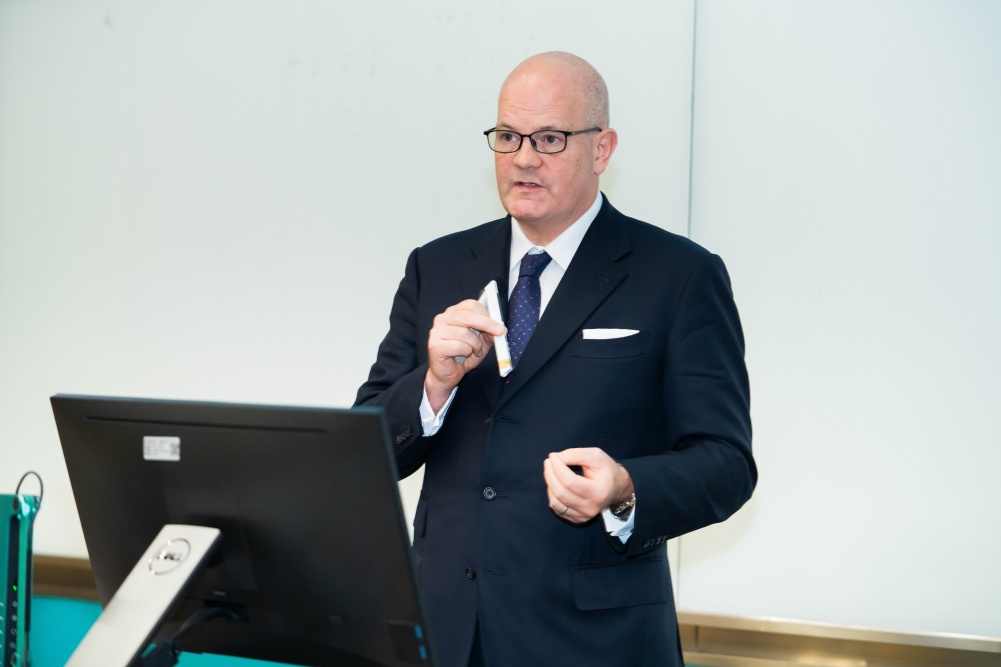
Shaun Brodie, Head of Research Content for Greater China at Cushman & Wakefield
Glocalisation, whole-life cycle, and integration
Introducing the book, Dr Xu explained that, as global industrial supply chains are reconfigured, co-built industrial parks are developing beyond physical industrial spaces into strategic hubs for regional cooperation.
The book offers three interconnected perspectives: “Glocalisation” emphasises the reciprocal adaptation of external capital, technology, and expertise to local institutions, industries, and social contexts; a “whole-life-cycle perspective” extends beyond planning and construction to investment attraction, ongoing operations, regeneration, transformation, and long-term value creation; and “diversity and integration” highlights collaboration and shared benefits among industries, spatial and environmental systems, talent, and other stakeholders.
Dr Zhang outlined the book’s structure and principal findings, covering topics including cooperation mechanisms, industrial planning, business environment, technological innovation, financing models, and governance. He identified talent embeddedness and place branding as important determinants of long-term park competitiveness.
The publication offers a forward-looking academic perspective on co-built industrial parks worldwide and provides a bridge for deeper collaboration between research, education, and industry, as well as regions.
Collaborative development
A roundtable moderated by Dr Xuefeng Wang, Associate Professor in the Department of Urban Planning and Design, saw Liang Ma from Shanghai University’s School of Management, Qining Chen from State and City Planning Consultants in Singapore, Hongqiao Dou from Suzhou National Carbon Metrology Instrument Technology Development, and Dr Zhenyu Su from IBSS exchange views on industrial park transformation, city-industry integration, financing mechanisms, and enterprises’ international expansion.
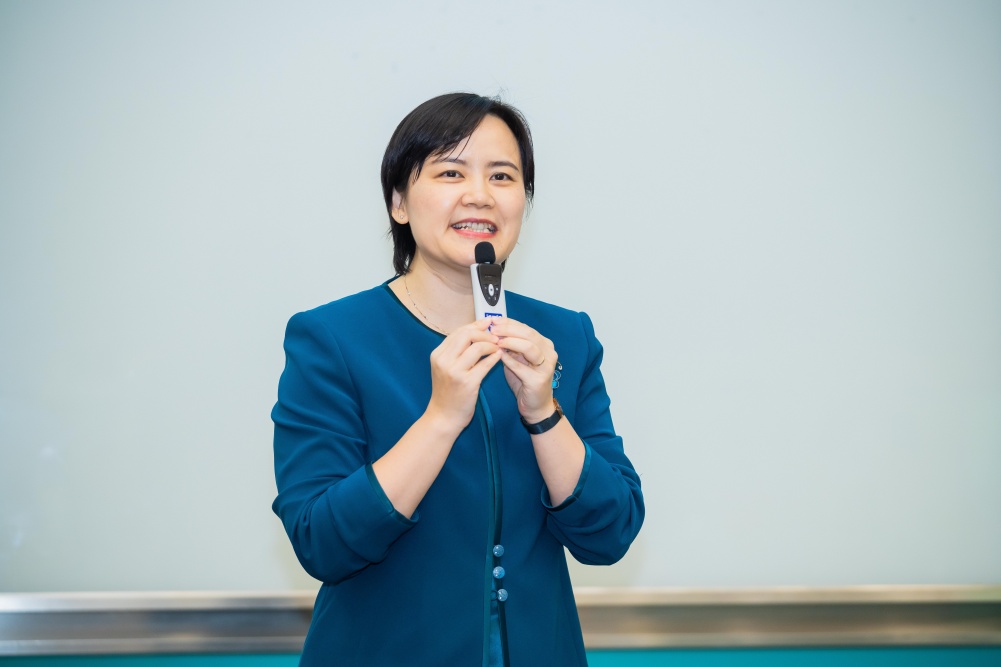
Co-editor Dr Yunqing Xu, Director of UES, Senior Associate Professor in the Department of Urban Planning and Design
The expert guests agreed that traditional development models reliant on land and policy incentives are giving way to distinctive industrial strengths, innovation capacity, and ecosystem-oriented operations, and that urban regeneration is drawing technological and innovation resources back into cities.
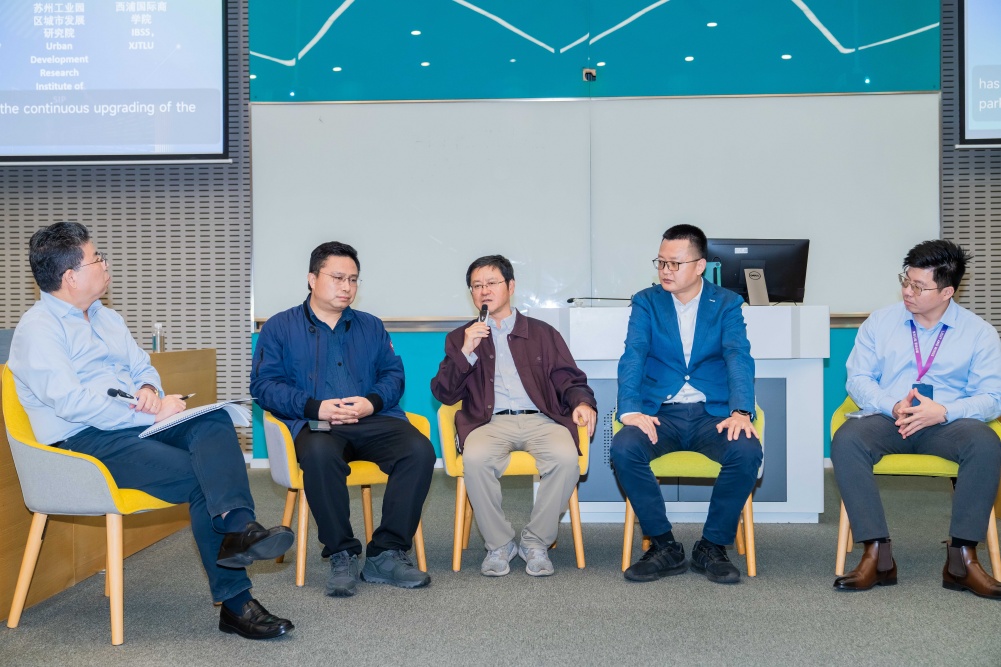
Expert guests exchange ideas during the roundtable discussion
Industrial parks also need clearer differentiation and stronger integration of industrial services and investment funds, they said.
Meanwhile, long-term planning, adaptation to local institutions, and cultivation of local talent remain essential for companies expanding overseas and for the long-term development of international co-built parks.
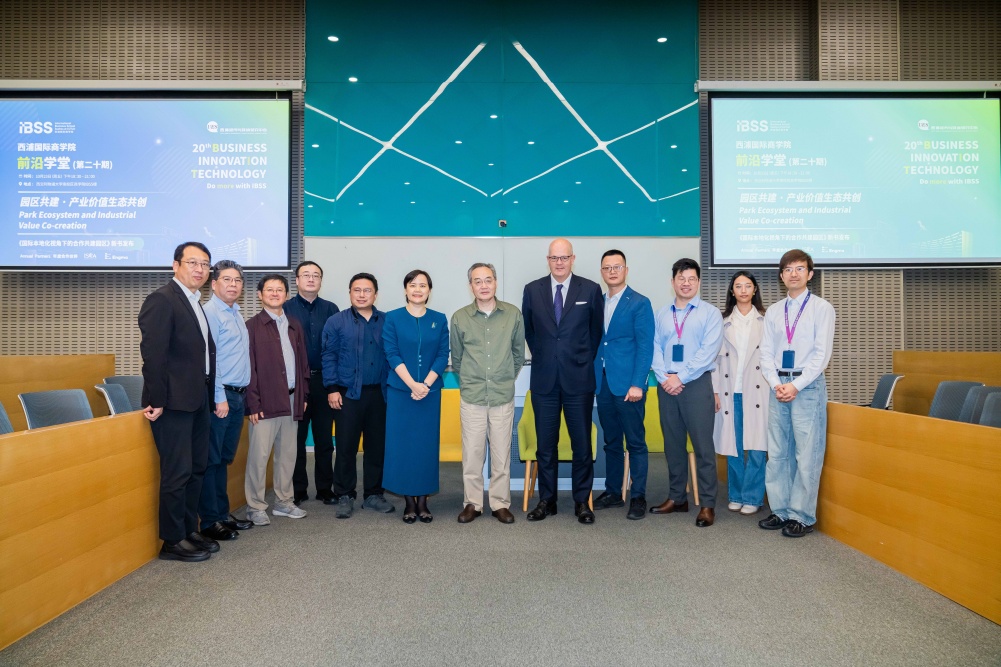
Contributors and editors of the book join experts at the launch event
Text and images courtesy of the Urban and Environmental Studies Research Centre
Edited by staff editor and Patricia Pieterse
Legal Disclaimer:
EIN Presswire provides this news content "as is" without warranty of any kind. We do not accept any responsibility or liability for the accuracy, content, images, videos, licenses, completeness, legality, or reliability of the information contained in this article. If you have any complaints or copyright issues related to this article, kindly contact the author above.
