

The Rise of Responsible Furniture: How Reclaimed and Restored Pieces Are Shaping Modern Interiors
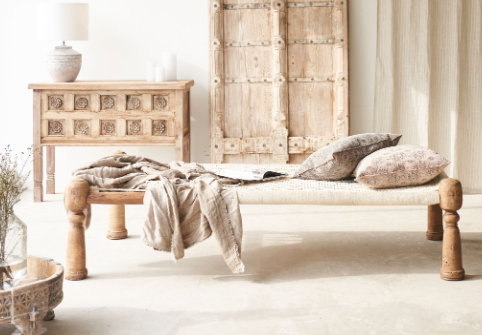
Furniture Collection

sustainable furniture
As Singapore’s home and interior landscape continues to evolve, reclaimed and restored furniture is gaining renewed attention among homeowners seeking alternatives to mass-produced furnishings. Against this backdrop, Originals Furniture marks its 25th anniversary, highlighting how its long-standing focus on restoration and solid wood craftsmanship aligns with shifting consumer preferences.
A 25-Year Milestone Rooted in Purpose, Not Just Products
For many homeowners in Singapore, furniture buying has shifted significantly over the past decade. Instead of fast, disposable pieces, more customers are now looking for items that carry meaning, durability, and long-term value.
Originals Furniture’s 25th anniversary comes at a time when this mindset is becoming mainstream. Rather than treating sustainability as a trend, the brand has positioned it as a long-standing foundation of its work through reclaimed furniture, solid wood construction, and restoration-led design.
“This 25-year milestone is meaningful for us because it reflects consistency,” said Jasdep Singh, general manager of Originals Furniture. “We have always believed furniture should be made or restored with intention. It should serve a purpose in people’s homes for years, not seasons.”
Reclaimed Furniture That Carries History Into Modern Homes
One of the key drivers behind the growing interest in reclaimed furniture is the increasing emphasis on individuality in interior design. As homes become more curated, homeowners and designers are looking for pieces that introduce texture, history, and variation into modern spaces.
One of the most distinctive parts of Originals Furniture’s offering is its reclaimed and restored furniture collection. Instead of producing everything from new raw materials, the brand sources existing furniture pieces and gives them a second life through careful restoration.
A key example is the Nomad India collection, which features vintage cabinets, sideboards, and storage pieces sourced from Northern India. Each item is individually selected, meaning no two pieces are exactly alike. Some carry original carvings, while others show natural signs of age, such as softened edges, patina, or weathered wood grain.
These details are not removed—they are preserved.
Once brought in, each piece undergoes a restoration process carried out by skilled artisans. Structural repairs are prioritised first, ensuring durability, followed by refinishing that enhances the original material without erasing its history.
The result is furniture that feels both functional and expressive. A restored teak sideboard, for example, might now sit in a modern Singapore condominium dining space, used daily for storage and serving, while still carrying the character of its past life.
For homeowners, this means they are not just buying furniture—they are incorporating a piece with history into their everyday environment.
Making Sustainable Furniture Practical, Not Abstract
In practical terms, the appeal of reclaimed furniture lies in extending the lifecycle of existing materials. Rather than relying solely on new timber production, restoration allows furniture to remain in circulation for significantly longer periods.
This approach resonates with homeowners who are becoming more conscious of how long products last, particularly in high-use spaces such as dining areas and living rooms. A restored dining table or cabinet is often chosen not only for its appearance, but also for its ability to withstand long-term daily use.
Interior designers have also increasingly incorporated reclaimed pieces into residential projects, using them to introduce contrast against modern finishes such as stone, glass, or engineered surfaces. This combination is often used to soften contemporary interiors and add visual depth.
Supporting Craftsmanship and Reducing Waste Through Restoration
Beyond aesthetics, the reclaimed furniture process also plays a role in reducing material waste. By restoring existing pieces instead of manufacturing new ones from raw timber, the lifecycle of each item is significantly extended.
This approach also supports traditional woodworking skills that are becoming less common in mass production environments. Originals Furniture works closely with artisans who specialise in repair, joinery, and hand-finishing techniques that require years of experience.
These skills are particularly important in restoration work, where the goal is not to replace originality but to enhance it.
“We work with artisans who understand wood deeply—not just how to build, but how to repair without losing character,” said Jasdep. “That craftsmanship is central to everything we do.”
The brand’s commitment extends beyond furniture to other categories such as handcrafted rugs made from sustainably sourced and recycled materials, reinforcing a broader philosophy of responsible production across its collections.
A Shift in How Customers Define Value
As reclaimed and restored furniture becomes more visible in the market, it is also influencing how consumers define value in home furnishing.
Rather than focusing solely on price or trend alignment, buyers are increasingly considering factors such as lifespan, material quality, and long-term usability. In this context, furniture is seen less as a disposable purchase and more as a long-term household asset.
A restored cabinet, for example, may serve both functional storage and decorative purposes over many years, while also contributing to the overall identity of a home. Similarly, reclaimed dining tables often become central gathering points rather than interchangeable items.
This shift has contributed to a broader re-evaluation of what “good furniture” means in modern interiors, particularly in dense urban environments where space and longevity are key considerations.
Looking Ahead
As it enters its next chapter, Originals Furniture is continuing to expand its focus on sustainable furniture and reclaimed collections while staying grounded in the principles that have defined the past 25 years: quality, longevity, and responsible sourcing.
The 25th anniversary serves as both a reflection point and a reminder that furniture can be more than functional—it can be enduring, meaningful, and responsibly made.
About Originals Furniture
Originals Furniture is a Singapore-based furniture brand with 25 years of experience in solid wood craftsmanship, timeless design, and responsibly sourced collections. The company collaborates with international partners and specialises in reclaimed furniture, restored heritage pieces, and sustainable furniture solutions designed for long-term living.
Media Contact
Jasdep Singh
General Manager
jasdep@originals.com.sg
Website: https://www.originals.com.sg
Business Address: 1 Bukit Batok Street 22 Level 5, Singapore 659592
Arvie Maghari
W360 Group Pte Ltd
+63 917 818 2275
email us here
Visit us on social media:
LinkedIn
Instagram
Facebook
TikTok
Other
Legal Disclaimer:
EIN Presswire provides this news content "as is" without warranty of any kind. We do not accept any responsibility or liability for the accuracy, content, images, videos, licenses, completeness, legality, or reliability of the information contained in this article. If you have any complaints or copyright issues related to this article, kindly contact the author above.
